
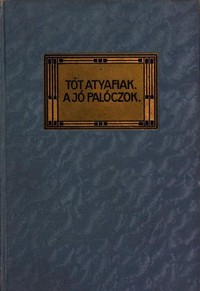
A tót atyafiak; A jó palóczok by Kálmán Mikszáth
Kálmán Mikszáth, a master storyteller from Hungary's golden age of literature, gives us a book that feels both deeply specific to its time and place and wonderfully familiar in its humor. It's a snapshot of 19th-century rural Hungary, where social classes were clear but not always impermeable.
The Story
The plot revolves around Count Péter, a nobleman whose title is his only remaining asset. To save his estate, he hatches a plan to marry the daughter of a wealthy Palóc family—the 'good Palócok' of the title. The Palóc are a distinct ethnic group known for their conservative values, fierce work ethic, and legendary stubbornness. What follows is a brilliant social chess game. The Count, all smooth manners and city sophistication, arrives in the village expecting an easy victory. The Palóc family, led by the shrewd and immovable patriarch Márton, sees right through him. The engagement becomes a battle of wits, with negotiations over dowries, property, and family honor providing constant friction and laugh-out-loud moments. It's less about a sweeping epic and more about the tense, funny, and deeply human interactions around a single, high-stakes proposal.
Why You Should Read It
I fell for this book because of its characters. Mikszáth doesn't paint heroes and villains; he paints people. Count Péter is charming but flawed, his desperation making him both pitiable and clever. The Palóc family, especially old Márton, are proud to the point of comedy, but their principles are rock-solid and command respect. The real joy is watching these two worlds collide. The book is a sharp, affectionate satire of social climbing and class prejudice. It asks: what's more valuable, a fancy name or honest character? The humor is gentle but pointed, stemming from the absolute certainty each side has in its own rightness. You'll find yourself smiling at the stubbornness, even as you recognize its truth.
Final Verdict
This is a perfect pick for readers who love character-driven stories with a good dose of wit. If you enjoy Jane Austen's social observations or the gentle humor of writers like Barbara Pym, but want to explore a different cultural setting, you'll feel right at home. It's also a fantastic, accessible entry point into Central European literature—you don't need to know Hungarian history to appreciate the universal clash between old money and new, tradition and ambition. Just be ready for some wonderfully stubborn characters who will stick with you long after you turn the last page.
This historical work is free of copyright protections. You do not need permission to reproduce this work.
Donald Anderson
1 month agoClear, concise, and incredibly informative.
Karen Williams
10 months agoThis digital copy caught my eye due to its reputation, the historical context mentioned in the early chapters is quite enlightening. A perfect balance of theory and practical advice.
Patricia Thomas
2 years agoThe author provides a very nuanced critique of current methodologies.
Donald Gonzalez
1 year agoThe digital index is well-organized, making research much faster.


John Brown
4 months agoI found the author's tone to be very professional yet accessible, the narrative arc keeps the reader engaged while delivering factual content. Simple, effective, and authoritative – what else could you ask for?