
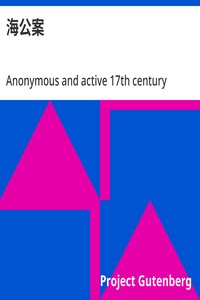
無聲戲 by Yu Li
Let's set the scene: China in the 1600s, a time of strict rules and artistic flourish. We follow Scholar Zhang, a man with a sharp mind but little patience for the rigid path expected of him. His life takes a wild turn when he's invited to a most unusual performance—an entire opera staged in complete silence. The actors move, gesture, and express profound stories without uttering a single syllable.
The Story
Zhang is instantly captivated and bewildered. While others see it as a curious novelty, he becomes convinced the silence is a deliberate cloak. He believes the performance is a complex, dangerous allegory—a veiled critique of the powerful or a hidden message from someone in trouble. His investigation pulls him into a shadowy world of artists, patrons, and officials. He must decode the gestures, the props, and the expressions, racing against those who might want the opera's true meaning to stay buried forever. It's a literary detective story set in teahouses and gardens, where a wrong interpretation could have very real consequences.
Why You Should Read It
What blew me away was how fresh this 400-year-old story feels. Li Yu wasn't just writing a tale; he was celebrating the sheer, subversive power of creativity. The book asks brilliant questions: How do you speak truth when you're not allowed to speak? Can a gesture be more powerful than a shout? Zhang isn't a typical hero; he's driven by intellectual curiosity that borders on stubbornness, and that makes him deeply relatable. The 'silent opera' itself becomes a character—a beautiful, fragile, and dangerous creation.
Final Verdict
This isn't a stuffy classic. It's for anyone who loves a smart puzzle, stories about the power of art, or historical fiction with a sharp, witty edge. If you enjoyed the cleverness of The Name of the Rose or the atmosphere of a good Jianghu tale, but wanted something more playful and inventive, you'll find a friend in this book. Perfect for readers who believe the best stories often speak the loudest when they're quiet.
This book is widely considered to be in the public domain. It serves as a testament to our shared literary heritage.
Sandra Jones
11 months agoI stumbled upon this title and the depth of research presented here is truly commendable. Thanks for sharing this review.
Nancy Jackson
10 months agoWithout a doubt, it provides a comprehensive overview perfect for everyone. I couldn't put it down.

Michelle Hill
1 year agoAs someone who reads a lot, the arguments are well-supported by credible references. I couldn't put it down.