
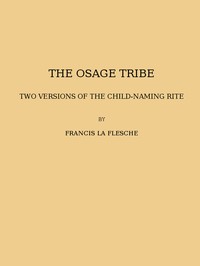
The Osage tribe, two versions of the child-naming rite by Francis La Flesche
Let's be clear: this isn't a storybook with a plot in the usual sense. The 'plot' here is an act of preservation. Francis La Flesche, a member of the Osage Nation, presents two different descriptions of the same ceremony: the ritual for naming a child. Think of it like getting two eyewitness accounts of a deeply important event.
The Story
The book is built around this core act. The first version is a straightforward, detailed record of the ceremony. It lists the steps, the songs, the actions—like a precise instruction manual. The second version is different. It wraps those same actions in story, myth, and explanation. It tells why things are done, connecting the ritual to Osage beliefs about the universe, creation, and the child's place in the world. Reading them side-by-side, you see the same event through two lenses: one focused on the external action, the other on the internal meaning.
Why You Should Read It
This book hit me in a way I didn't expect. It's not just about the Osage (though it's a vital record). It's about how we understand each other. La Flesche's unique position—an insider documenting his own culture for an outside academic world—is its own powerful story. He shows us that a ceremony isn't just a series of gestures. It's a container for philosophy, history, and identity. By giving us both the 'what' and the 'why,' he challenges the reader to look beyond a simple checklist of cultural facts. It makes you think about what gets lost in translation, not just between languages, but between ways of knowing.
Final Verdict
This is a must-read for anyone interested in Native American history, anthropology, or the simple, profound question of how we pass on meaning. It's perfect for readers who enjoy primary sources and want to hear a voice from the past directly. It’s also surprisingly great for anyone who's ever tried to write down a family tradition and felt they couldn't capture the full spirit of it. It's a short, dense, and incredibly thoughtful piece of work that proves history isn't just about events—it's about heart and understanding.
This historical work is free of copyright protections. It serves as a testament to our shared literary heritage.
George Hernandez
2 years agoOne of the most comprehensive guides I've read this year.
Carol Brown
1 year agoAmazing book.
Barbara Walker
1 year agoIf you enjoy this genre, it manages to explain difficult concepts in plain English. Thanks for sharing this review.
Melissa Flores
1 year agoTo be perfectly clear, the plot twists are genuinely surprising. Thanks for sharing this review.

Paul Perez
1 year agoI appreciate how this edition approaches the core problem, the critical analysis of current industry standards is very timely. I am looking forward to the author's next publication.