
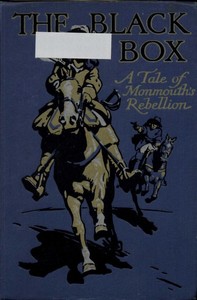
The Black Box: A Tale of Monmouth's Rebellion by W. Bourne Cooke
Have you ever found an old, unlabeled box in your grandparents' house and just had to know what was inside? That's the exact feeling this book captures, but set against the bloody backdrop of the 1685 Monmouth Rebellion.
The Story
The story starts in the aftermath of the Battle of Sedgemoor, the rebellion's final, brutal fight. A wounded soldier, loyal to the defeated Duke of Monmouth, entrusts a small, sealed black box to a sympathetic local farmer. He whispers that its contents are vital before he dies. The book then traces the box's journey over the years as it moves through the farmer's family. Everyone who encounters it feels its weight—some are curious, some are superstitiously afraid of it. The central question hangs over every page: What proof or secret about the rebellion is locked inside? Is it a list of conspirators? A lost treaty? The real reason Monmouth failed? The tension doesn't come from battles (though those are described), but from the quiet, persistent mystery of the box itself and the shadow it casts on those who guard it.
Why You Should Read It
I loved this because it makes history feel personal and immediate. Instead of just listing dates and troop movements, it asks: What happens to the secrets after the war is over? The characters, from the humble farmer to the nervous gentry who later get involved, are all driven by a very human mix of duty, fear, and burning curiosity. The unknown author (which just adds to the vibe) has a real talent for building atmosphere. You can almost smell the damp Somerset fields and feel the paranoia of living under a vengeful king. It’s a story about how history isn't just what's written in the official record, but also the rumors, the hidden objects, and the truths that families whisper down through generations.
Final Verdict
This is a perfect, quick pick for anyone who finds standard history books a bit dry. If you enjoy novels where a historical mystery drives the plot—think a simpler version of a Kate Mosse or Carlos Ruiz Zafón setup—you'll get a kick out of this. It’s also great for local history enthusiasts or anyone fascinated by the Stuart era. Just go in knowing it's a rediscovered piece of writing, not a modern bestseller. Its charm is in its rough edges and its unwavering focus on one haunting 'what if.' A genuinely intriguing little find.
No rights are reserved for this publication. Distribute this work to help spread literacy.



Sarah Garcia
5 months agoMy first impression was quite positive because the practical checklists included are a great touch for real-world use. This exceeded my expectations in almost every way.