
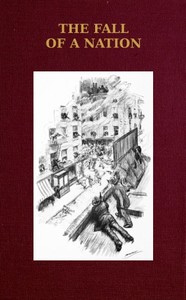
The Fall of a Nation by Jr. Thomas Dixon
Thomas Dixon Jr. is best known for The Clansman, which became the infamous film The Birth of a Nation. The Fall of a Nation is his 1916 follow-up, but it's a very different kind of book. It's a work of speculative fiction that asks a huge 'what if?' and runs with it.
The Story
The book starts with a big twist: the Confederacy won the Civil War. The United States is divided into two separate, often hostile, nations. Fast forward to the early 1900s. Both the North and the South are wealthy and complacent, focused on luxury and forgetting the old martial spirit. A cunning foreign empire (heavily implied to be Germany) sees this weakness. They launch a massive, coordinated invasion, using new technology and a fifth column of immigrants to sabotage America from within. The story follows a group of characters, including a military hero and a passionate female activist, as they witness the unthinkable: the swift and brutal conquest of their homeland. The second half of the book is about the grim reality of occupation and the desperate, underground struggle to take America back.
Why You Should Read It
This isn't a comfortable book. Dixon's racial views and xenophobia are front and center, and they haven't aged well—at all. But reading it is a gripping history lesson in itself. It captures a specific paranoia in pre-WWI America: fear of foreign invasion, anxiety about national softness, and deep distrust of immigrants. The plot is fast and full of action, like a blockbuster movie from another century. Seeing how Dixon imagines airships, spies, and mass propaganda used in war is strangely prescient. It forces you to think about how stories of national crisis are told, and who gets cast as the hero or the villain.
Final Verdict
This book is not for everyone. It's for readers interested in the roots of American pop culture, alternate history, or the social climate that led up to World War I. It's a prime example of how fiction can be used as a political weapon. Don't read it for historical accuracy or progressive ideals. Read it to get inside the head of a hugely influential (and controversial) writer of his time, and to experience a paranoid, pulse-pounding thriller that shows just how afraid America once was of falling apart from the outside in. Approach it with a critical mind, and you'll find it impossible to put down.
This content is free to share and distribute. Share knowledge freely with the world.
Joshua Wilson
1 year agoLoved it.





Michael White
2 years agoClear and concise.